• A DOPE Theme
  • Guilla4Life Radio
    • Reading Is D.O.P.E. Podcast
  • A D.O.P.E. Mission....
  • Reading Is D.O.P.E. Book Boxes
  • D.O.P.E. Digital University
  • The D.O.P.E. Bookshelf
  • D.O.P.E. Merch and More
  • D.O.P.E. Reading Programs
    • Metro East Literacy Project
    • The Literacy Center
  • Contact Us

Guilla Boyz Entertainment, L.L.C.

notes
0:00/???
  1. 1
    Sunday Night Soul (1-8-23) 2:01:53
    Sunday Night Soul (1-8-23)
    by G4L Radio

    Share link

    0:00/2:01:53
  2. 2
    Sunday Night Soul (8-28-22) 1:57:27
    Sunday Night Soul (8-28-22)
    by G4L Radio

    Share link

    0:00/1:57:27
  3. 3
    Sunday Night Soul (5-22-22) 1:59:51
    Sunday Night Soul (5-22-22)
    by G4L Radio

    Share link

    0:00/1:59:51
  4. 4
    Sunday Night Soul 11-7-21 2:01:55
    Sunday Night Soul 11-7-21
    by G4LRadio

    Share link

    0:00/2:01:55
  5. 5
    Sunday Night Soul (4-18--21) 1:56:42
    Sunday Night Soul (4-18--21)
    by GB Radio

    Share link

    0:00/1:56:42
  6. 6
    Sunday Night Soul (5-8-22) 1:53:54
    Sunday Night Soul (5-8-22)
    by G3L Radio

    Share link

    0:00/1:53:54
  7. 7
    Sunday Night Soul (5-2-21) 2:02:27
    Sunday Night Soul (5-2-21)
    by GB Radio

    Share link

    0:00/2:02:27
  8. 8
    Sunday Night Soul (5-9-21) 2:01:55
    Sunday Night Soul (5-9-21)
    by GB Radio

    Share link

    0:00/2:01:55
  9. 9
    Sunday Night Soul (5-8-22) 1:53:54
    Sunday Night Soul (5-8-22)
    by G4L Radio

    Share link

    0:00/1:53:54
  10. 10
    Sunday Night Soul (5-16-21) 2:01:27
    Sunday Night Soul (5-16-21)
    by GB Radio

    Share link

    0:00/2:01:27
  11. 11
    Sunday Night Soul (12-26-21) 1:58:37
    Sunday Night Soul (12-26-21)
    by G4L Radio

    Share link

    0:00/1:58:37
  12. 12
    Sunday Night Soul (2-20-21 1:59:42
    Sunday Night Soul (2-20-21
    by GB Radio

    Share link

    0:00/1:59:42
  13. 13
    Sunday Night Soul (4-25-21) 2:16:41
    Sunday Night Soul (4-25-21)
    by GB Radio

    Share link

    0:00/2:16:41
0:00/???
  • A DOPE Theme
  • Guilla4Life Radio
    • Reading Is D.O.P.E. Podcast
  • A D.O.P.E. Mission....
  • Reading Is D.O.P.E. Book Boxes
  • D.O.P.E. Digital University
  • The D.O.P.E. Bookshelf
  • D.O.P.E. Merch and More
  • D.O.P.E. Reading Programs
    • Metro East Literacy Project
    • The Literacy Center
  • Contact Us

Viewing: Audio Engineering - View all posts

Remember the Times by Teddy Riley (Audiobook Summary) 

In Remember the Times, Teddy Riley chronicles his remarkable journey from a young musician in Harlem to one of the most influential producers in music history. The memoir traces his early breakthrough producing for Kool Moe Dee, a pivotal opportunity that introduced his innovative production style to the industry and laid the foundation for what would become the revolutionary New Jack Swing sound. Riley explains how blending hip-hop’s hard-hitting rhythms with the soul of R&B transformed popular music and opened doors to collaborations with artists such as Keith Sweat, Guy, Bobby Brown, Michael Jackson, Whitney Houston, and eventually Blackstreet.
 

As Riley’s career evolved, so did his influence. The book provides a behind-the-scenes look at the creation of timeless records, culminating in one of his biggest achievements—“No Diggity” by Blackstreet. Rather than presenting success as an overnight phenomenon, Riley illustrates how years of experimentation, persistence, and continuous refinement of his craft ultimately led to some of the most recognizable music of the 1980s and 1990s. His story demonstrates that innovation often comes from building upon previous opportunities rather than chasing trends.
 

Equally compelling are Riley’s candid reflections on the business side of the music industry. He recounts his tumultuous relationship with his longtime manager, Gene, describing how misplaced trust, financial mismanagement, and the theft of earnings threatened both his career and his legacy. These experiences serve as a powerful reminder that creative talent alone is not enough; artists must also understand contracts, publishing, ownership, and financial management to protect what they create.


Ultimately, Remember the Times is more than the autobiography of a legendary producer—it is a blueprint for creative excellence and business wisdom. Teddy Riley’s journey reminds readers that lasting success is built through innovation, resilience, collaboration, and ownership. Whether you’re an artist, entrepreneur, producer, or creative professional, the memoir offers valuable lessons about mastering your craft while safeguarding your legacy.
 

#DOPEBookshelf

#AudioBooksAreDOPE

#DOPELiteracyProject

#ReadingIsDOPE

07/08/2026

  • Leave a comment
  • Share
    Remember the Times by Teddy Riley (Audiobook Summary)

    Share link

in Music , Audiobooks , Pop Culture, Media , Influence , Hip Hop, Audio Engineering , Hip-Hop, Culture

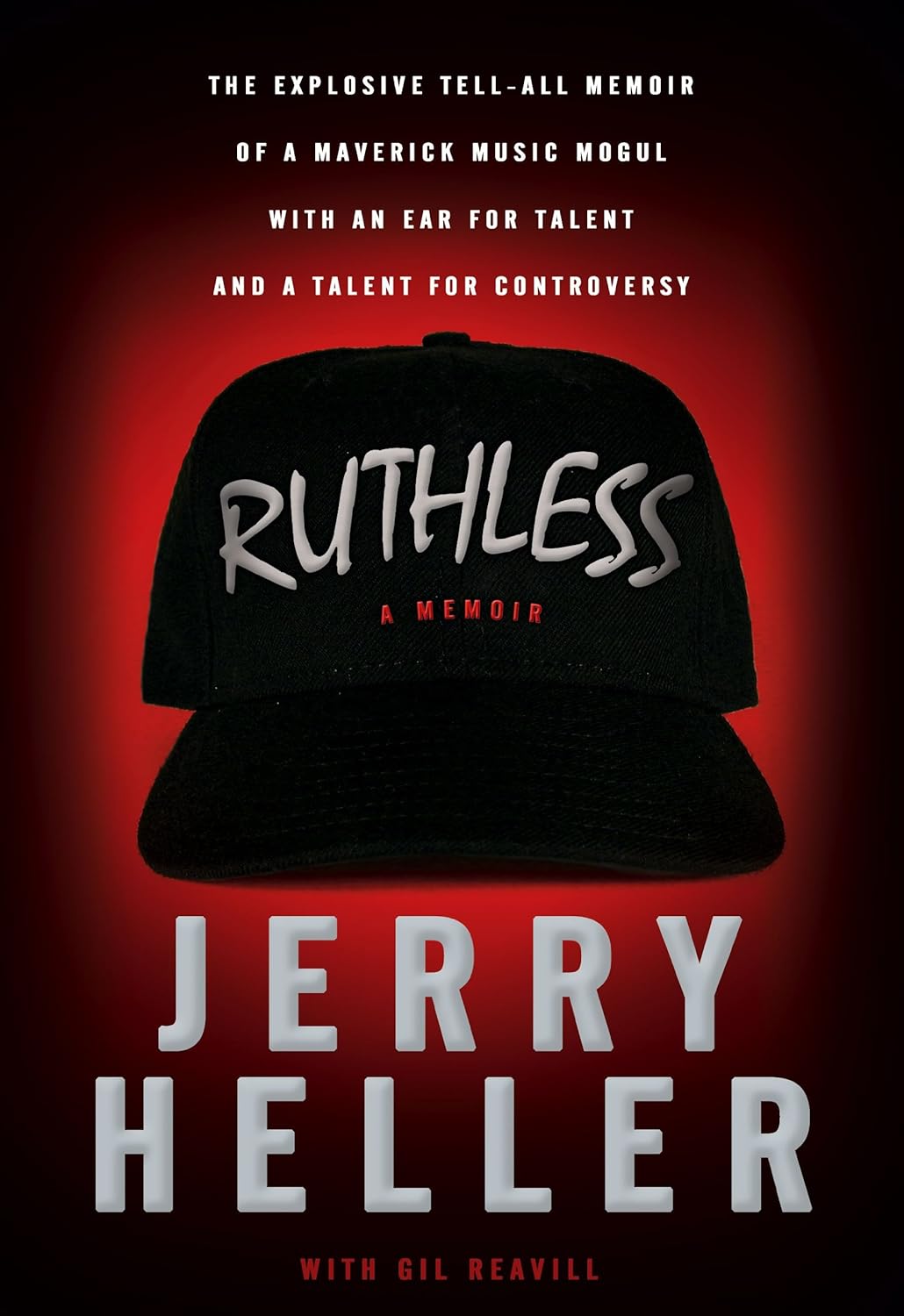
Ruthless by Jerry Heller 

Ruthless by Jerry Heller is a firsthand account of the rise of West Coast hip-hop, centered on his management of N.W.A and the creation of Ruthless Records alongside Eazy-E. Heller presents himself as the experienced industry figure who helped transform a group of young artists into a cultural force. He frames N.W.A’s success—especially with Straight Outta Compton—as a combination of raw street authenticity and strategic business execution that disrupted both the music industry and mainstream America.


The book emphasizes the business side of hip-hop, particularly the importance of contracts, ownership, and financial structure. Heller argues that he played a key role in protecting the group’s interests and building a profitable enterprise, while also acknowledging the growing tensions within the group. Disputes over money and management led to major departures, including Ice Cube and later Dr. Dre, highlighting how unclear expectations and financial mistrust can fracture even the most successful collaborations.
 

A major theme in Ruthless is the idea of competing narratives. Heller wrote the book in part to challenge how he was portrayed in the Straight Outta Compton, where he was depicted as exploitative. In contrast, he portrays himself as a stabilizing force who brought legitimacy and structure to a volatile environment. This tension underscores a broader point: history, especially in entertainment, is often shaped by perspective, power, and who controls the story.
 

Ultimately, Ruthless is more than a music memoir—it’s a case study in the intersection of culture, business, and power. It shows how groundbreaking art can reshape society, but also how success introduces new pressures around money, control, and legacy. The book leaves readers with a clear takeaway: talent may spark movements, but business decisions determine who benefits from them in the long run.

Click the image below!

#ReadingIsDOPE

#DOPEBookshelf

03/22/2026

  • Leave a comment
  • Share
    Ruthless by Jerry Heller

    Share link

in Books , Music , Pop Culture, Influence , Hip Hop, Conspiracies , Black Boys, Teaching , Education, Leadership, Strategy, Audio Engineering , Hip-Hop

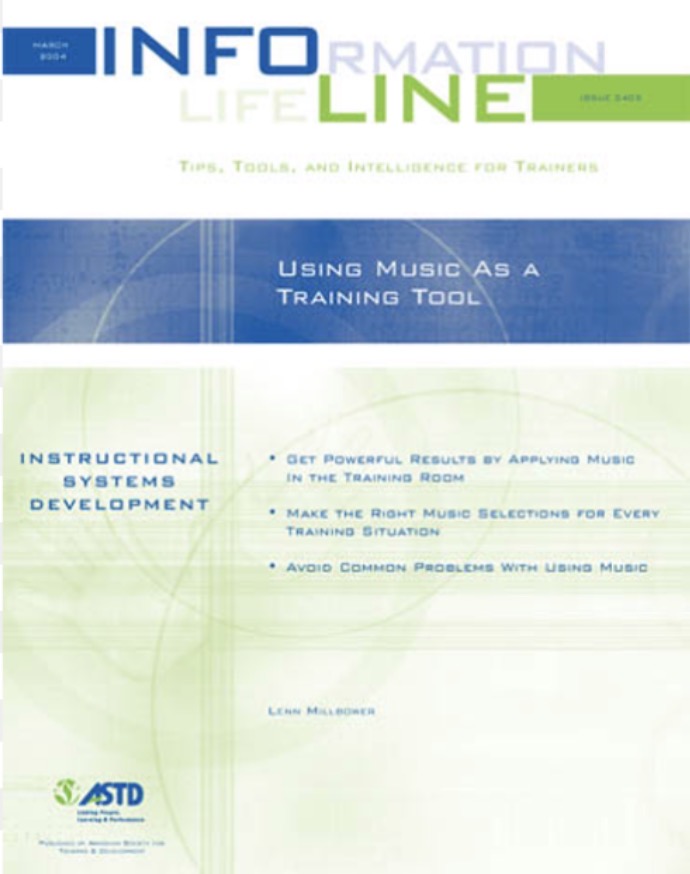
Using Music as an Instructional Tool 


Using Music as an Instructional Tool presents music as an intentional component of instructional systems design rather than background enhancement. The infoline explains how music can increase attention, reduce anxiety, support emotional engagement, and improve memory when aligned with learning objectives. By influencing mood and cognitive readiness, music helps create learning environments that are more receptive, structured, and memorable.


A particularly useful contribution of the infoline is its breakdown of how different musical genres affect learning in different ways. It notes that instrumental and classical music can support focus and analytical thinking, ambient music can reduce stress and encourage reflection, and upbeat styles can energize collaborative or interactive activities. This genre-based framework helps instructors move beyond intuition and select music that supports specific instructional goals.


However, the infoline’s portrayal of rap as primarily energetic or angry highlights an important limitation in genre-based categorization. While that description may apply to certain subgenres, it does not represent rap as a whole, nor does it reflect the broader emotional and instructional range found within Hip Hop culture—especially given that many learners do not separate the two. Conscious rap, jazz rap, lo-fi hip hop, narrative-driven, and instrumental forms can support reflection, storytelling, language development, and deep engagement, particularly for culturally connected learners.


This insight ultimately strengthens the instructional model. Rather than relying solely on genre labels, effective instructional design evaluates musical characteristics such as tempo, rhythm, lyrical density, emotional tone, and cultural relevance. When applied thoughtfully, rap and hip hop function as powerful, culturally responsive instructional tools. Recognizing this diversity expands the infoline’s framework and reinforces the idea that music—when chosen with intention—can align emotion, cognition, and culture into a more inclusive and effective learning experience.


#DOPEBookshelf

#ReadingIsDOPE

#DOPEMusicTherapy

12/14/2025

  • Leave a comment
  • Share
    Using Music as an Instructional Tool

    Share link

in Music , Purpose, Pop Culture, Psychology, Hip Hop, Teaching , Education, Audio Engineering , Hip-Hop

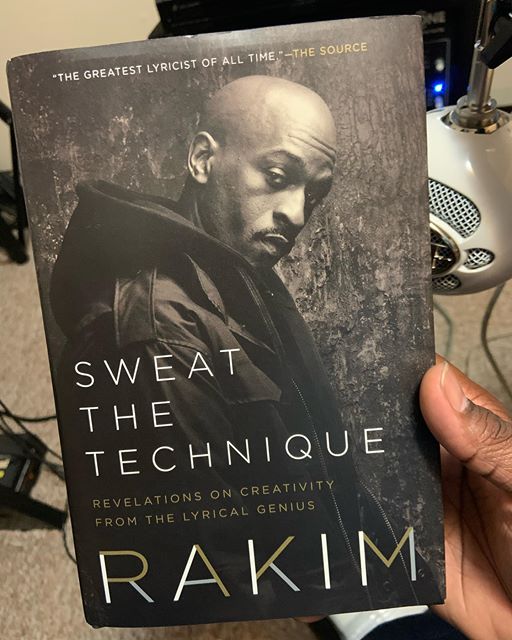
SWEAT THE TECHNIQUE: REVELATIONS ON CREATIVITY FROM THE LYRICAL GENIUS 


In “Sweat The Technique”, the God MC, Rakim, shares his life story and discusses his career’s progression. Hailing from a small town in New York named Wyandanch, Rakim (born William Michael Griffin, Jr.) was a mischievous kid from a musical background, who also enjoyed sports for most of his childhood. He played football for most of his childhood and teen years, but music proved to be his true calling. Coming from a musical family meant that he was always around it and almost destined to adopt the craft for himself.


When he first began rapping, he went by the name Kid Wizard and later changed to Rakim as he delved deeper into the studies of the 5 Percent Nation. He met Eric B. through Eric’s close friend and roommate, Marley Marl. They released four albums as a duo, in which Rakim was the DJ and Eric was the DJ. Rakim felt that he was meant to teach thru his music and put more of the teachings into his rhymes with each successive album. Eric B and Rakim released 4 albums as a duo and was the first hip hop act to secure a $1 Million record deal.


When he and Eric parted ways, Rakim released 3 more solo albums, where he injected even more of his teachings into the rhymes, despite the changing hip-hop landscape. In this book, he breaks down some of his writing techniques that he uses in some of his songs, along with other spiritual concepts and philosophies that he lives by. This a definitely a good read for true fans of the culture as well as aspiring MC’s alike...


#HipHopIsLife

#ReadingIsDOPE

09/21/2025

  • Leave a comment
  • Share
    SWEAT THE TECHNIQUE: REVELATIONS ON CREATIVITY FROM THE LYRICAL GENIUS

    Share link

in Books , Reading, Manhood, Music , Philosophy , Influence , Hip Hop, Teaching , Education, Mathematics , Spirituality , Audio Engineering , Supreme Mathematics , Hip-Hop, Culture

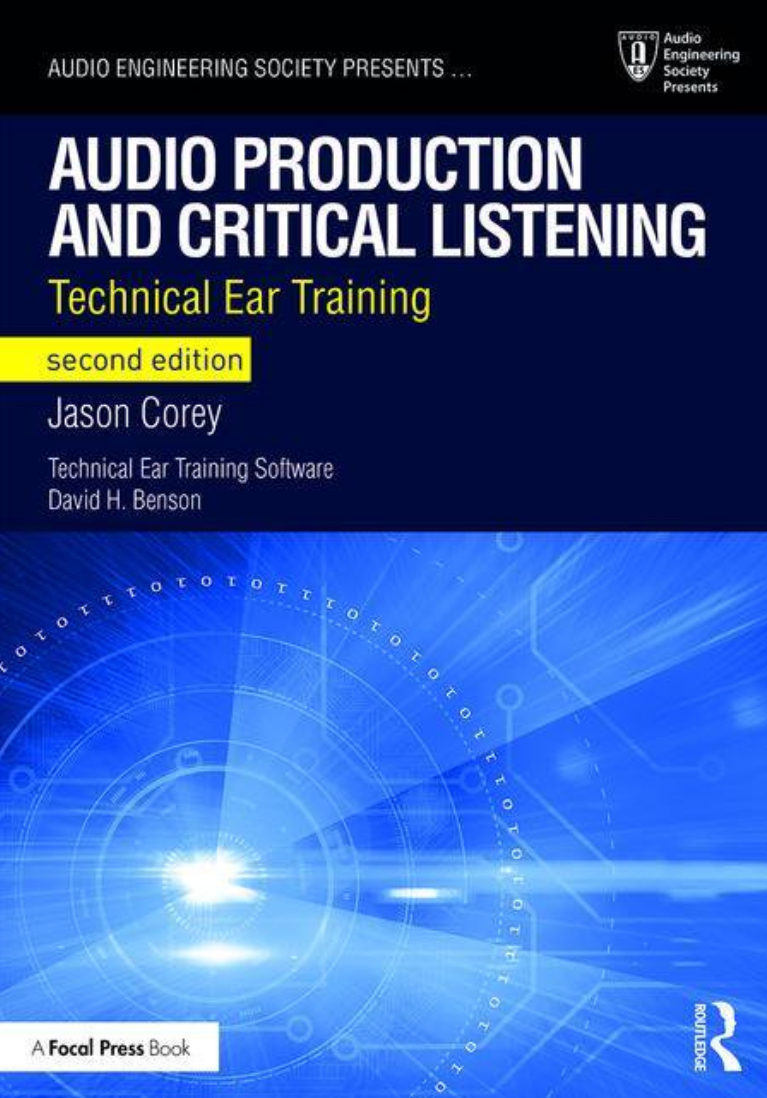
Audio Production and Critical Listening, 2nd Edition by Jason Corey 


Jason Corey’s Audio Production and Critical Listening (2nd Ed.) is a practical guide for developing the listening skills essential to professional audio production. Rather than treating sound as purely technical or purely artistic, Corey bridges the gap between objective measurement and subjective perception, helping readers understand how to evaluate and manipulate sound with accuracy and confidence. The book introduces psychoacoustic principles, hearing conservation, and the role of cognitive bias in listening, while grounding these concepts in real-world recording and mixing scenarios.


A key feature of the text is its interactive ear-training software, which allows learners to practice identifying and adjusting audio parameters in a structured environment. Through exercises in tonal balance, spatial attributes, dynamics, distortion, and editing, users are trained to connect what they hear with precise technical adjustments. This experiential approach ensures that skills are not only understood conceptually but also ingrained through repeated, focused listening practice.


The chapters progress through the core elements of audio production—covering equalization, reverberation, compression, noise, amplitude envelopes, and overall sound analysis—while consistently emphasizing the importance of critical listening as both a science and an art. By translating perceptual impressions into actionable engineering decisions, Corey equips readers with the tools to make informed choices in any studio setting.


Ultimately, the book challenges the myth of “golden ears,” showing that with normal hearing and disciplined training, anyone can cultivate expert-level listening skills. For audio students, engineers, and enthusiasts alike, Audio Production and Critical Listening offers a structured path toward mastering the subtle but powerful craft of hearing with intention.

click on the image 
 

#ReadingIsDOPE
 

09/06/2025

  • Leave a comment
  • Share
    Audio Production and Critical Listening, 2nd Edition by Jason Corey

    Share link

in Audio Engineering

Follow ya DREAMS, Embrace OPPORTUNITIES, Find ya PURPOSE & Seek EDUCATION

 #BeDOPEbyAnyMeans

Gifted Unique Individuals Livin' Life Accomplishin' (#Guilla4Life)

Some images ©

  • Log out